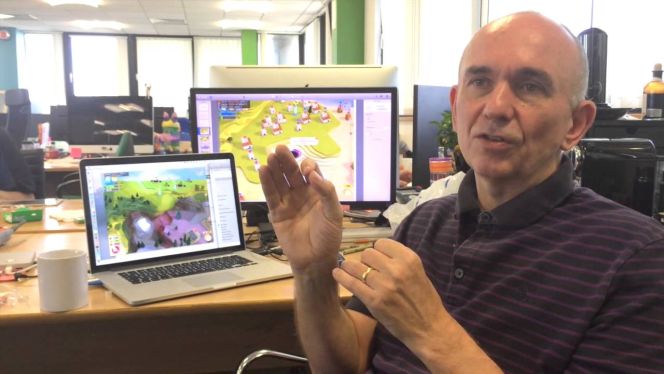
Peter Molyneux isn’t just a name in gaming—he’s a legend. From Populous to Black & White, his vision once defined creative ambition in the industry. But behind the charisma and bold promises lies a trail of disappointed backers, burned investors, and disillusioned developers. His later projects, especially those funded by public enthusiasm rather than publisher oversight, turned into cautionary tales. The real cost? Not just missed features or delayed launches—but real money, lost trust, and careers derailed.
This isn’t about one failed game. It’s about the people who believed in the myth of Molyneux, handed over cash, and were left holding broken digital promises.
The Cult of Personality That Masked Real Risk
Molyneux built an empire on hype. His presentations weren’t product demos—they were evangelism. At press events, he’d describe games that sounded like miracles: AI that learned player behavior, worlds shaped by a single touch, god games that evolved in real time. But these visions rarely survived development.
The danger wasn’t in ambition—it was in how he sold it. He didn’t pitch prototypes. He sold finished fantasies.
And when your audience includes thousands of gamers with credit cards and a passion for innovation, that’s a dangerous mix.
Take Godus, launched via Kickstarter in 2012. Molyneux promised a spiritual successor to Populous with persistent worlds, blockchain-like land ownership, and deep player-driven evolution. The pitch video showed lush terrain rising from flat plains, civilizations blooming under divine touch, and a multiplayer universe where every action mattered.
It raised over $870,000.
But the delivered product? A minimalist, nearly unplayable prototype that, years later, still lacked core features. Players who paid for “Founder” or “Immortal” tiers—some spending hundreds—got early access to a half-baked experience that never improved at the promised pace.
Backers Who Paid for a Dream, Got a Beta
Among the most affected are the thousands of individual backers who funded Godus and Curiosity – What’s Inside the Cube? through Kickstarter and in-app purchases.
Curiosity, launched in 2012, was a mobile experiment: a single 6x6x6 cube made of billions of blocks. Players chipped away, one tap at a time, for a chance to win a “life-changing prize.” Over 40 million taps later, the winner received a video message from Molyneux and a modest prize package. No million-dollar check. No studio visit. Just a digital pat on the back.
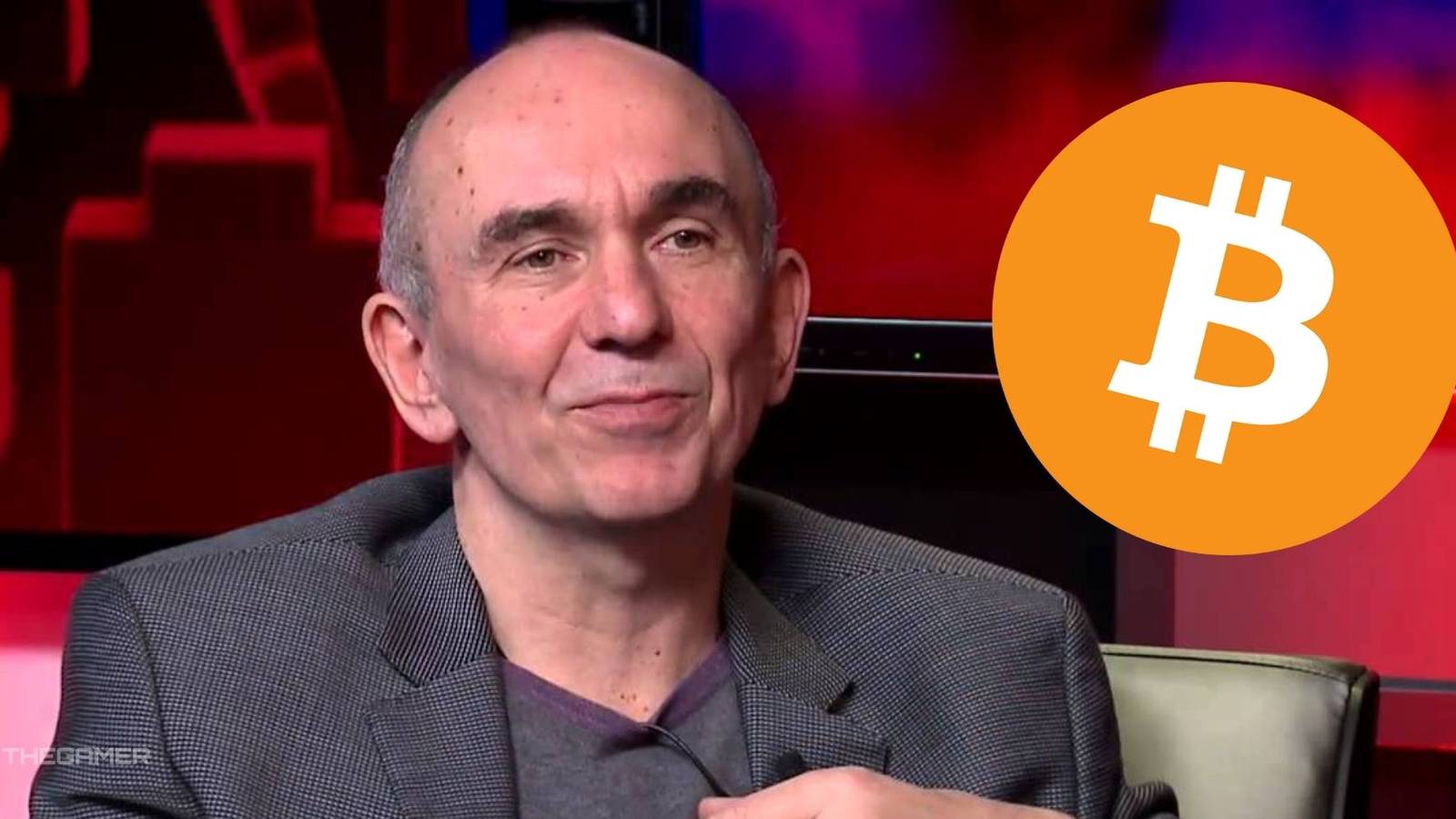
But the financial hit wasn’t just emotional. The app encouraged microtransactions to speed up tapping. Some players spent hundreds—or even thousands—on boosters, convinced they were in a race to win big. One Reddit user reported spending over $1,200 in in-app purchases, only to realize the prize was essentially a novelty.
These weren’t corporate investors. They were teens, young adults, and indie devs—passionate gamers who believed in the next big thing. They lost money not to fraud, but to overhyped design and unmet expectations.
Molyneux admitted later that Curiosity was “a social experiment,” not a game. But for those who paid, it felt like a bait-and-switch.
Developers Who Bet Their Careers on Molyneux’s Vision
The damage wasn’t limited to consumers. Entire development teams invested years into projects that never materialized as promised.
22cans, Molyneux’s studio post-Lionhead, became a sinking ship for many. Hired on the strength of Molyneux’s reputation, developers joined expecting to build groundbreaking AI and procedural systems. Instead, they faced shifting priorities, unclear direction, and the weight of public scrutiny.
One anonymous developer, who worked on Godus for over two years, described the environment as “toxic optimism.” Features were announced publicly before being designed. Investors and backers demanded updates. But internally, the team was demoralized. “We were showing off tech demos as shipped features,” they said in a 2018 interview. “It wasn’t sustainable.”
When Godus failed to evolve, staff attrition spiked. Some left the industry entirely. Others moved to studios with tighter design discipline, wary of visionary leaders who prioritize PR over product.
The human cost was real: lost wages, missed opportunities, and eroded trust in leadership.
Publishers Who Walked Away with Wounds
While 22cans relied heavily on crowdfunding, Molyneux’s earlier missteps also cost institutional players.
Lionhead Studios, acquired by Microsoft in 2006, was meant to be a flagship developer for Xbox. But after the overhyped but underdelivered Fable: The Journey and the collapse of Project Milo—an AI companion demo that never shipped—Microsoft pulled the plug in 2016.
The studio closure affected over 100 employees. But the financial burden fell partly on Microsoft, which had funded years of R&D on projects that never reached market.
Project Milo, in particular, became symbolic. Demonstrated at E3 with a lifelike child who reacted to player voice and emotion, it was hailed as the future of AI gaming. But behind the scenes, it was a tightly scripted tech demo—not a game. When Microsoft pushed for a commercial release, the team couldn’t scale it. The project was quietly canceled.
The loss? Millions in development costs, sunk into a prototype that dazzled audiences but delivered nothing.
The Ripple Effect on Crowdfunding Trust
Molyneux’s failures didn’t just hurt individuals—they damaged the broader crowdfunding ecosystem.
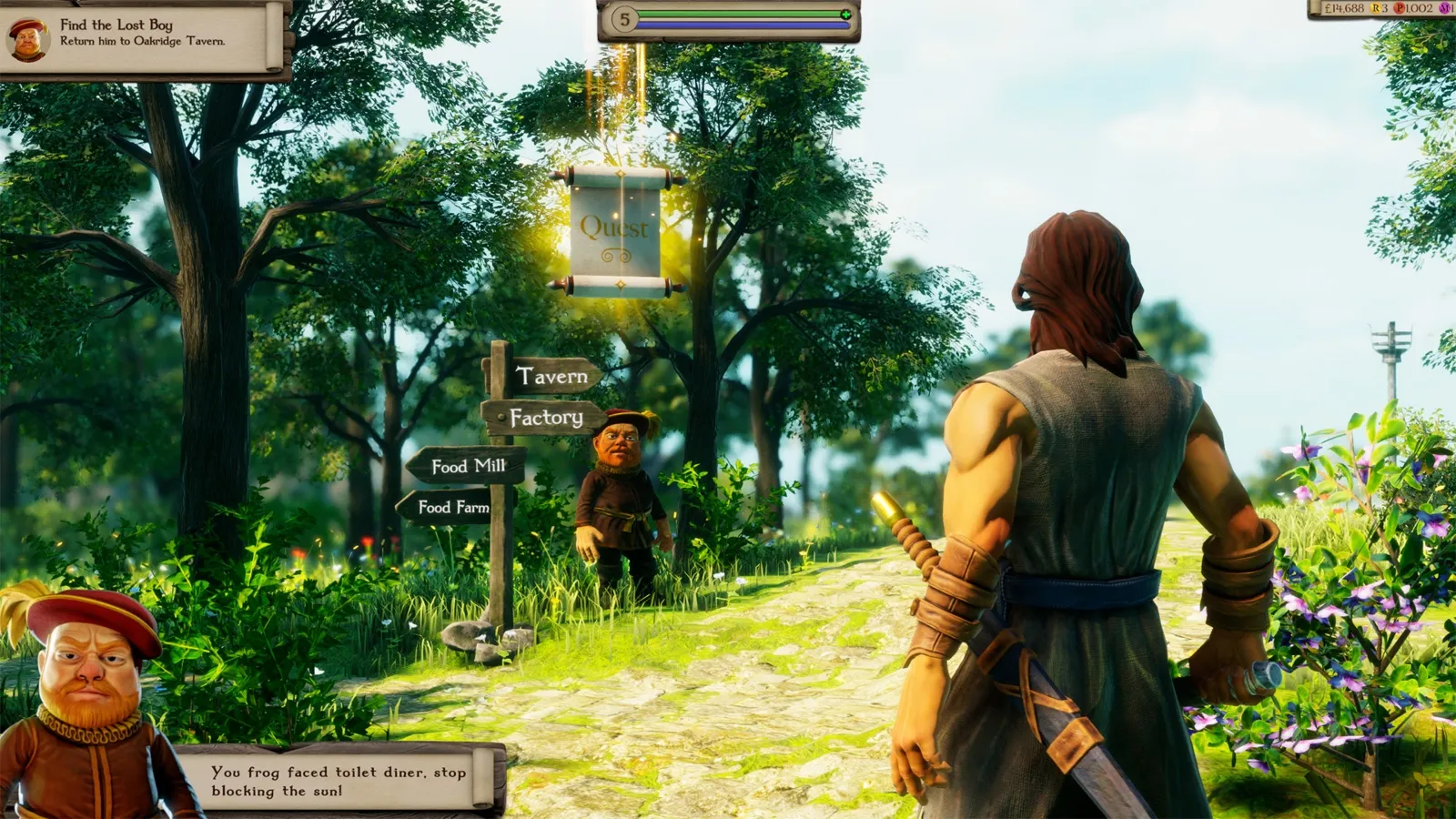
After Godus, many backers grew skeptical of high-profile game Kickstarters. The pattern was clear: charismatic founder, bold promises, early demo, then silence or vaporware.
Star Citizen and Shenmue 3 faced similar scrutiny, partly because of the precedent Godus set. When developers overpromise, even unintentionally, the entire community pays in eroded trust.
Platforms like Kickstarter aren’t set up to enforce delivery. Backers assume risk. But when someone with Molyneux’s reputation fails so publicly, it raises ethical questions.
Was it mismanagement? Over-optimism? Or a deliberate strategy to sell dreams before building substance?
Whatever the intent, the outcome is the same: fans feel exploited, developers hesitate to crowdfund, and publishers tighten their control.
A Pattern, Not an Accident
Looking at Molyneux’s trajectory, the pattern is consistent:
- Vision First, Design Later: He sells the end product before solving technical hurdles.
- Public Roadmaps, Private Chaos: Features are announced externally before being engineered.
- Reliance on Hype: Marketing momentum replaces milestone-driven development.
- Blurred Lines Between Demo and Product: Tech experiments are presented as finished games.
This isn’t unique to Molyneux. It echoes in the stories of Theranos, Quibi, and other high-profile collapses. But in gaming, where passion and fandom run deep, the betrayal cuts harder.
Players don’t just buy a game—they buy into a world. And when that world never arrives, the loss isn’t just financial. It’s emotional.
Lessons from the Fallout
So what can developers, backers, and investors learn from the Molyneux saga?
For backers: - Treat Kickstarter like venture capital, not a pre-order. Most crowdfunded games fail to deliver as promised. - Research the team’s track record. A famous name isn’t a guarantee. - Avoid “Founder” or “Immortal” tiers unless you’re okay with losing the money.
For developers: - Don’t let PR drive development. Ship what you can build, not what sounds cool. - Set internal milestones that align with public updates. - Be transparent about delays—don’t inflate progress to please fans.
For publishers: - Vision without execution is vanity. Fund teams, not personalities. - Demand prototypes before greenlighting marketing campaigns. - Balance creative freedom with delivery accountability.
The Legacy Isn’t Over—But the Trust Is
Peter Molyneux still makes games. 22cans released The Trail and dabbled in AI experiments. But his influence has waned. The industry now treats his promises with skepticism, not awe.
The real tragedy isn’t that his games failed. It’s that real people—backers, developers, publishers—lost money, time, and faith because they believed in a dream sold too well.
Gaming needs visionaries. But it also needs honesty.
And for the players who lost big on Molyneux’s legacy, the lesson is clear: in an industry built on imagination, the most dangerous thing isn’t failure—it’s belief sold as certainty.
FAQ
Who funded Peter Molyneux’s Godus project? Godus was primarily funded through Kickstarter, raising over $870,000 from more than 16,000 backers.
Did Peter Molyneux profit from Curiosity despite its failure? Yes—while the promised “life-changing prize” was minimal, the app generated significant revenue through in-app purchases, which critics argue exploited players.
What happened to Lionhead Studios? Lionhead Studios was shut down by Microsoft in 2016 after a series of underperforming and overhyped titles, including Fable: The Journey and the canceled Project Milo.
Were any legal actions taken against Molyneux for broken promises? No formal lawsuits succeeded, as crowdfunding platforms typically disclaim delivery guarantees. However, the backlash damaged his reputation and credibility.
Is Godus still available to play? Yes, but it remains a stripped-down version of the promised game, with limited features and minimal updates in recent years.
How did Project Milo fail? It was a highly polished tech demo using motion capture and voice recognition, but it was never a functional game. Technical limitations and lack of gameplay prevented its release.
Can charismatic leaders still crowdfund games successfully? Yes, but only with transparency, realistic promises, and consistent delivery. Molyneux’s case shows how credibility can be lost quickly when hype exceeds results.
FAQ
What should you look for in The Players Burned by Peter Molyneux’s Broken Promises? Focus on relevance, practical value, and how well the solution matches real user intent.
Is The Players Burned by Peter Molyneux’s Broken Promises suitable for beginners? That depends on the workflow, but a clear step-by-step approach usually makes it easier to start.
How do you compare options around The Players Burned by Peter Molyneux’s Broken Promises? Compare features, trust signals, limitations, pricing, and ease of implementation.
What mistakes should you avoid? Avoid generic choices, weak validation, and decisions based only on marketing claims.
What is the next best step? Shortlist the most relevant options, validate them quickly, and refine from real-world results.