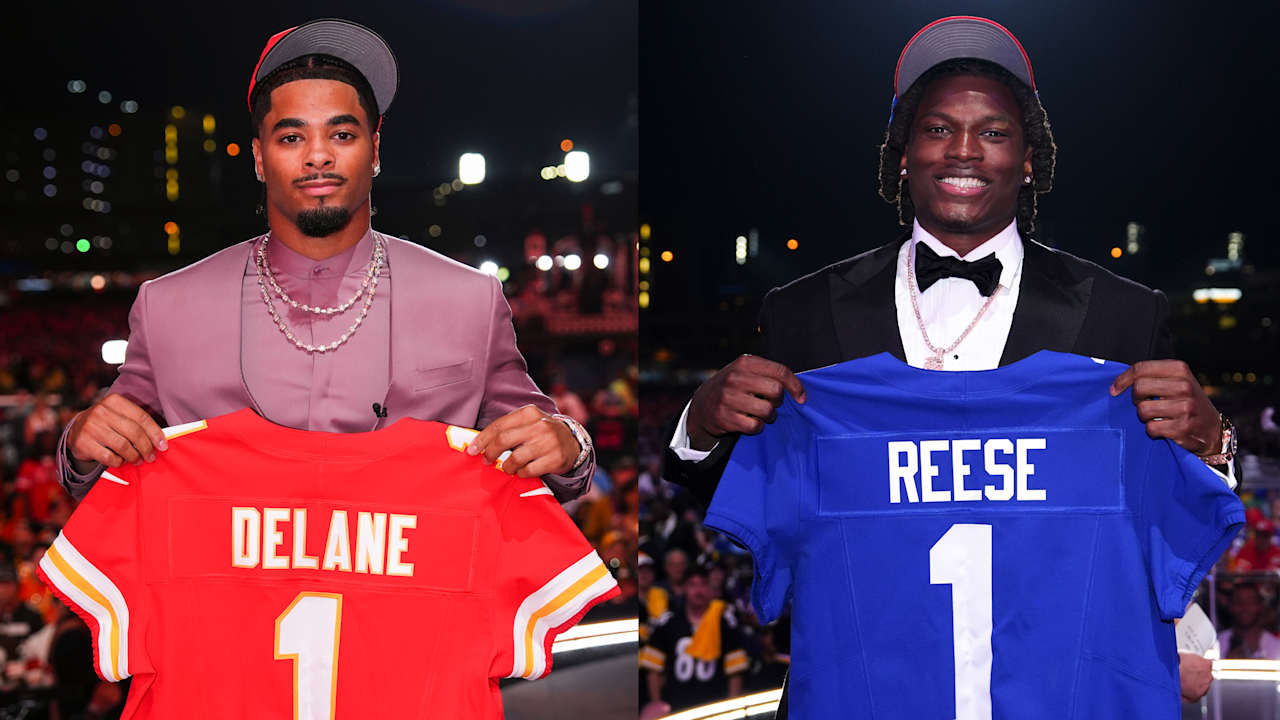
The 2026 NFL Draft has officially reshaped the league’s hierarchy—and the Kansas City Chiefs are now accelerating up the power rankings. With shrewd selections and an eye for developmental talent, Kansas City turned a quiet offseason into a stealth rebuild. Meanwhile, the San Francisco 49ers are drawing criticism for repeating the same draft mistake: reaching on high-potential, high-risk players. As the power scales tilt, one team is building sustainable momentum. The other may be gambling with a fragile window.
Chiefs Capitalize on Draft Depth, Eye Long-Term Domination
The Chiefs didn’t land a household name in the 2026 draft—but that was the point. After years of relying on Patrick Mahomes’ brilliance to paper over defensive shortcomings, Kansas City flipped the script. They invested heavily in the trenches and secondary, addressing critical gaps with precision.
Their first-round pick, Texas A&M edge rusher DeShawn Reed (No. 24 overall), brings explosive first-step speed and high-effort tackling. Paired with second-rounder Malik Thompson, a coverage-savvy safety from Oregon, the Chiefs now boast a defensive nucleus capable of pressuring quarterbacks and covering elite tight ends.
But the real win came in the Day 3 haul. With three picks in the fourth round, KC found starters: - RB Darius Whitmore (Fresno State) – a north-south runner who can handle early-down work - CB Jaylen Cruz (UCF) – instinctive underneath coverage with ball skills - OG Marcus Bell (Pitt) – mauler in the run game with guard-tackle flexibility
Why it matters: These aren’t plug-and-play stars, but they’re the kind of role players who extend a contender’s shelf life. The Chiefs didn’t just draft talent—they drafted fit.
49ers Repeat History: Are They Reaching Too Often?
San Francisco entered the 2026 draft with three early picks and a clear need at linebacker and offensive line. Instead, they doubled down on upside.
With the 18th overall pick, they took Alabama WR Zaire Williams—a 6’4” athlete with only two seasons of starting experience. While his combine numbers turned heads (4.41 speed, 41” vertical), questions remain about his route precision and hands under pressure. More concerning? They passed on more polished slot receivers and pass-rushing help.
Then, in the second round, the 49ers traded up to secure Oregon quarterback Caleb Nguyen—despite a fractured junior season and a medical red flag (shoulder labrum stress). San Francisco now has three QBs on the roster, including Trey Lance still seeking a team.
Pattern alert: This isn’t new behavior. - 2023: Traded up for USC edge Drake Johnson (injury-plagued, released by 2025) - 2024: Reached on Iowa CB Jordan Peete at No. 31 (struggled in man coverage) - 2025: Drafted TE Elijah Moore at No. 20 despite thin production and blocking issues
The 49ers’ front office, led by John Lynch and Kyle Shanahan, continues to bet on athletic traits over proven production. In a league where roster continuity wins titles, that’s a risky formula.
Why Draft Fit Matters More Than Flash
Talent evaluation isn't just about ceiling. It’s about alignment—how a player’s skills mesh with scheme, coaching, and team needs.
The Chiefs, under Brett Veach, have mastered this balance. They scout for: - Scheme-ready traits (e.g., linemen with zone-blocking footwork) - High football IQ (measured through pre-draft interviews and game film) - Injury resilience (prioritizing durability in medical reviews)
Compare that to the 49ers’ approach: - Heavy reliance on combine metrics (40-yard dash, SPARQ scores) - A tendency to fall in love with “project” players - Overvaluation of physical tools at premium positions (WR, QB)
Real-World Example: In 2025, both teams evaluated Minnesota OT Amon-Ra Johnson. KC passed, citing concerns over his anchor strength against power rushers. SF loved his length and movement skills—and nearly traded into the first round for him. He’s now a rotational backup.
Fit isn’t sexy. But it wins playoff games.
Power Rankings Shift: Who Gains, Who Stalls
Post-draft power rankings aren’t just about draft grades. They reflect roster trajectory, cap space, coaching stability, and developmental pipelines.
Here’s how the top tier has shifted:
| Team | Pre-Draft Rank | Post-Draft Rank | Change | Why |
|---|---|---|---|---|
| Chiefs | 5 | 2 | +3 | Added depth, addressed defense, minimal risk |
| 49ers | 3 | 6 | -3 | High-upside picks, but scheme misfits, QB logjam |
| Ravens | 2 | 1 | +1 | Kept core intact, drafted smart role players |
| Lions | 6 | 4 | +2 | Solid OL and DB picks, culture continuity |
| Bills | 4 | 7 | -3 | Missed on edge rusher, lacked WR help |
The Chiefs’ climb isn’t just about talent added. It’s about capital preserved. They didn’t mortmain future picks, leaving room for midseason trades or extensions. The 49ers, meanwhile, are now thin in 2027’s draft due to last year’s Trey Lance deal and this year’s trade-ups.
The Hidden Cost of Reaching: NFL Draft Regrets
Reaching isn’t just a wasted pick. It has ripple effects.
When a team takes a player earlier than consensus value, they: - Sacrifice potential starters later in the draft - Increase pressure on the player to perform immediately - Risk scheme incompatibility due to forced fit
Take the 49ers’ 2026 WR pick. Zaire Williams may develop—but not as a No. 1 in Shanahan’s system, which relies on timing, crisp breaks, and YAC from shifty route-runners. Williams is a jump-ball specialist. That mismatch could waste a year of development and $12M in rookie contract value.
Worse, reaching often leads to denial. Front offices double down instead of admitting a mistake. This delays course correction—sometimes until a coaching change.
The Chiefs avoid this by sticking to a board. They don’t draft needs—they draft players who exceed their slot. If no one fits, they trade down and accumulate value.
How the Chiefs Are Building a Post-Mahomes Foundation
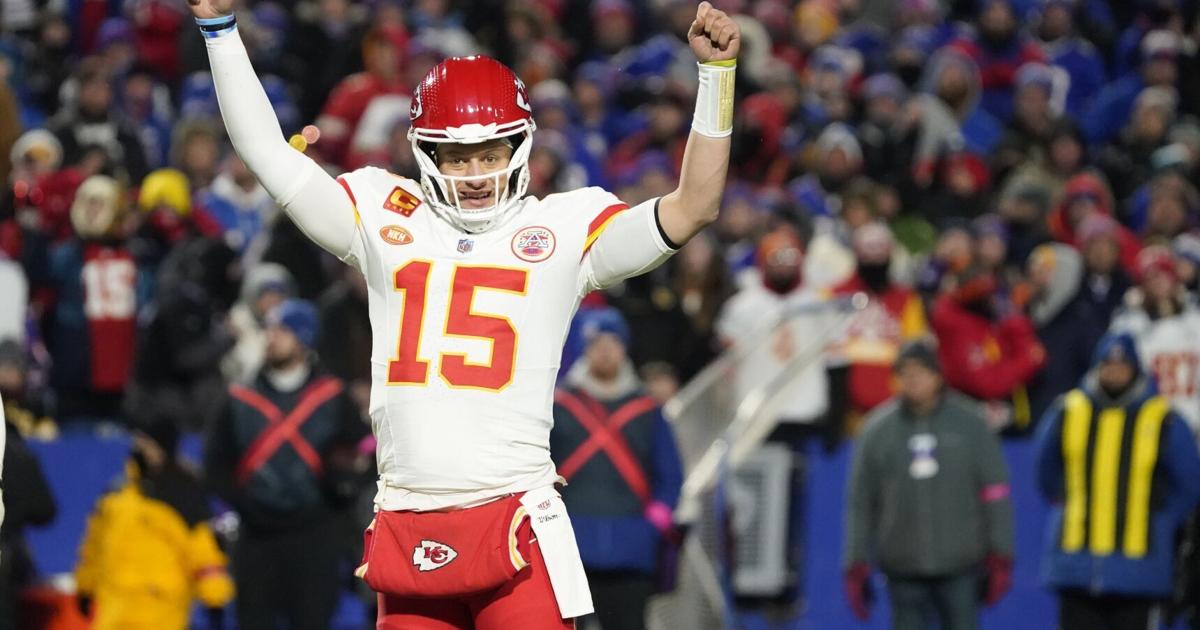
Let’s be clear: Patrick Mahomes is still elite. But at 30 years old in 2026, the Chiefs are wisely preparing for life after.
Their draft strategy reflects that: - Investing in offensive line youth (Bell, Day 3 developmental tackles) - Finding a potential Mahomes successor (third-round QB Logan Pierce, Colorado) - Developing a run game to reduce QB wear-and-tear (Whitmore)
This isn’t panic. It’s succession planning. The Chiefs aren’t just winning now—they’re structuring for the next decade.
Contrast that with the 49ers. Their QB room is crowded, but none of the young options (Lance, Nguyen) fit Shanahan’s drop-back mechanics. Their OL is aging. And their defense, while strong in 2025, lost two starters to free agency with little draft replenishment.
Sustained excellence requires more than star power. It demands patience and process. Kansas City has both. San Francisco is gambling on breakthroughs.
What Smart Drafting Looks Like in 2026
The best teams didn’t chase headlines. They filled gaps with preparedness.
Team: Chiefs - Targeted: Defensive playmakers, OL depth, RB with pass protection - Avoided: Overpaying for WR, drafting QB early - Outcome: Roster continuity with youth infusion
Team: 49ers - Targeted: Athletic upside at WR and QB - Avoided: Addressing linebacker, secondary, OL - Outcome: Short-term excitement, long-term uncertainty
The lesson? Drafts aren’t won on Day 1. They’re won in Year 3, when role players become starters and depth wins close games.
The Chiefs understand that. The 49ers seem stuck in a cycle of hope over structure.
Final Verdict: Process Over Hype
The 2026 NFL Draft didn’t crown a champion—but it revealed who’s building smart.
The Kansas City Chiefs are rising in the power rankings not because they made splashy picks, but because they stayed true to their system, prioritized fit, and avoided ego-driven selections. They added depth where it matters and set up future flexibility.
The San Francisco 49ers, meanwhile, continue their pattern of reaching for athletic potential at the expense of need and value. While Zaire Williams and Caleb Nguyen could pan out, the risk-reward skews negative—especially given past misses.
In the NFL, consistency beats fireworks. The Chiefs are playing chess. The 49ers are rolling the dice.
If you’re betting on 2027 success, put your money on Kansas City. They’re not just climbing the power rankings. They’re redefining what smart roster building looks like in the modern era.
FAQs
Why are the Chiefs rising in power rankings despite not drafting a superstar? Because they addressed long-term needs with high-floor players. Depth, fit, and draft value matter more than one high-ceiling pick.
Are the 49ers’ draft picks bad, or just risky? They’re not outright bad—but they’re high-risk. Reaching on athletes at premium positions without proven production is a recurring flaw.
Can the 49ers still succeed with this roster? Yes—but their margin for error is smaller. Injuries or slow development from draft picks could expose weaknesses by midseason.
Is Patrick Mahomes’ age a concern for the Chiefs? Not immediately. But preparing for the future with young linemen and a developmental QB shows foresight other contenders lack.
Did the Chiefs ignore offensive weapons? Intentionally. With Travis Kelce still effective and improved line play, they prioritized balance over adding another WR.
What’s the biggest red flag for the 49ers post-draft? QB logjam. Keeping Lance, Garoppolo, and now Nguyen limits cap flexibility and creates locker room tension.
How do draft capital and future picks affect power rankings? Teams with more 2027 picks (like KC) can trade for help or develop depth. Teams without (like SF) lose flexibility if injuries hit.
FAQ
What should you look for in Chiefs Climb NFL Power Rankings After Draft Haul? Focus on relevance, practical value, and how well the solution matches real user intent.
Is Chiefs Climb NFL Power Rankings
After Draft Haul suitable for beginners? That depends on the workflow, but a clear step-by-step approach usually makes it easier to start.
How do you compare options around Chiefs Climb NFL Power Rankings After Draft Haul? Compare features, trust signals, limitations, pricing, and ease of implementation.
What mistakes should you avoid? Avoid generic choices, weak validation, and decisions based only on marketing claims.
What is the next best step? Shortlist the most relevant options, validate them quickly, and refine from real-world results.