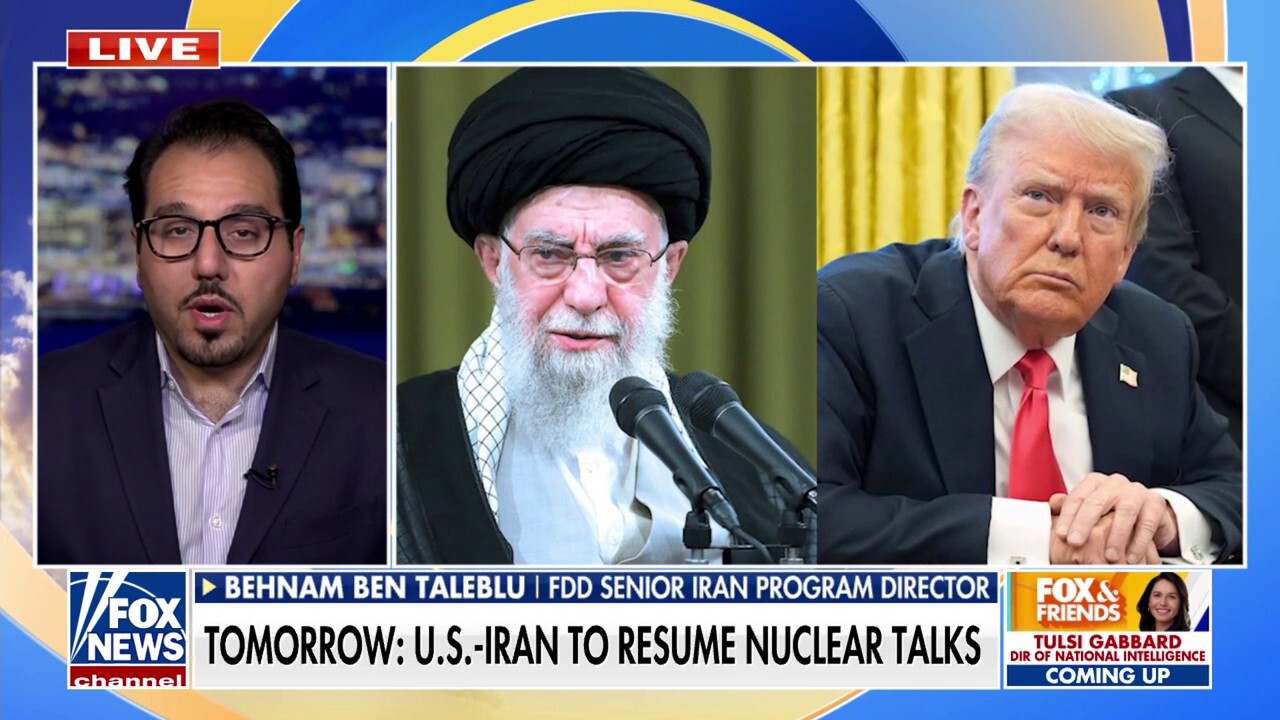
Iran’s corridors of power are buzzing. In a matter of weeks, Iranian officials have met counterparts from Europe, Asia, and Africa—signaling a quiet but deliberate diplomatic offensive. This flurry comes just as former President Donald Trump reiterates a familiar claim: the U.S. holds all the cards. The contrast is stark—Tehran reaching out, Trump doubling down. But beneath the surface, both moves reflect a shared calculation: influence is shifting, and timing is everything.
This isn't diplomacy for show. Iran’s outreach follows years of isolation, escalating sanctions, and regional friction. Trump’s insistence on U.S. leverage, meanwhile, echoes his 2018 withdrawal from the JCPOA (the Iran nuclear deal) and the “maximum pressure” campaign that followed. Yet today’s landscape is different. The U.S. no longer speaks with a unified voice on Iran, and Tehran is exploiting that fracture.
The Shape of Iran’s Diplomatic Push
Iran isn’t launching charm offensives at random. Its engagements are targeted, regionally strategic, and designed to rebuild bridges frayed under sanctions.
- Europe: High-level talks with France and Germany focus on reviving nuclear negotiations, though progress remains fragile. Iran dangles limited nuclear rollbacks in exchange for sanctions relief.
- China and Russia: These partnerships are deepening beyond rhetoric. Iran signed a 25-year cooperation agreement with Beijing in 2021, and recent trade in oil, drones, and infrastructure signals growing interdependence.
- Gulf Neighbors: Quiet talks with Saudi Arabia and Oman aim to de-escalate regional tensions. The China-brokered Saudi-Iran rapprochement in 2023 opened doors Tehran once thought closed.
- Africa and Asia: Iranian envoys have visited Ethiopia, Uganda, and Malaysia—nations with limited U.S. oversight but growing geopolitical weight.
Each move chips away at isolation. But more importantly, they signal that Iran isn’t waiting for U.S. approval to operate on the world stage.
“Iran is playing a long game—diversifying alliances so no single power can dictate its fate.” — Regional security analyst, Tehran
Trump’s “We Hold the Cards” Mentality—And Its Limits
Trump’s narrative is simple: unilateral U.S. pressure works. By maxing out sanctions and walking away from multilateral deals, he argues, America forces adversaries to negotiate on U.S. terms. But reality is less tidy.
Yes, U.S. sanctions crippled Iran’s oil exports and currency. But they also pushed Iran closer to Russia and China—two powers less constrained by U.S. financial leverage. They failed to stop Iran’s uranium enrichment, which now exceeds JCPOA limits. And they alienated European allies who still see diplomacy as viable.
- Trump’s rhetoric assumes three things:
- U.S. power is unrivaled.
- Sanctions alone can force regime change or capitulation.
- Allies will follow Washington’s lead without question.
None have held consistently.
Case in point: After Trump pulled out of the JCPOA, Europe tried to salvage it through INSTEX—a barter mechanism to bypass U.S. sanctions. It was clunky and limited, but it showed that even close allies resist unilateral U.S. actions.

Meanwhile, Iran’s uranium enrichment reached 60%—a technical step short of weapons-grade. That didn’t happen under Obama or Biden. It accelerated under Trump’s pressure campaign.
Sanctions work best when they’re multilateral. When they’re unilateral, they punish—but rarely persuade.
Why Timing Matters: Diplomacy in an Election Year
Iran’s diplomatic surge isn’t accidental. It’s timed.
With the 2024 U.S. election looming, Tehran sees an opportunity. Trump’s potential return means a possible revival of maximum pressure. A Biden re-election, meanwhile, might reopen nuclear talks. Either way, Iran wants to enter the next phase from a stronger position.
By securing trade deals, military partnerships, and diplomatic cover now, Iran reduces its vulnerability to U.S. policy swings. It’s the same logic behind OPEC+ oil strategies—build buffers before the storm hits.
Real-world example: In early 2024, Iran finalized a drone supply deal with Russia, bolstering Moscow’s war effort in Ukraine. In return, Iran gains access to advanced air defense systems and satellite intelligence. This isn’t just transactional—it’s strategic insurance. If the U.S. escalates, Iran can retaliate asymmetrically.
At the same time, Iranian envoys have reopened cultural centers in Southeast Asia and Latin America—soft power plays that slowly rebuild global standing.
Is Iran Winning the Diplomatic Game?
Not yet. But it’s adapting better than many expected.
Western analysts often frame Iran’s moves as reactive—defensive maneuvers against U.S. pressure. But what if they’re proactive? What if Iran sees the current moment not as survival, but as expansion?
Consider: - Iran now has formal defense talks with Saudi Arabia—a country it once vilified. - It exports drones to Russia, sells oil to China at discounted rates, and brokers regional mediation (e.g., in Sudan). - Its proxies in Lebanon, Yemen, and Iraq remain active, giving it leverage beyond its borders.
Meanwhile, U.S. influence in the region is contested. The withdrawal from Afghanistan, reduced military footprint, and inconsistent messaging under both Trump and Biden have created openings.
Still, limits remain. Iran’s economy is fragile. Inflation hovers near 50%. The middle class is shrinking. Public unrest—sparked by economic despair and social restrictions—could derail foreign ambitions.
And no amount of diplomacy erases the fact: Iran remains under heavy U.S. and international sanctions. Access to global banking, technology, and investment is restricted.
The Role of Proxy Networks in Iran’s Strategy
Iran doesn’t rely solely on formal diplomacy. Its network of regional allies—Hezbollah in Lebanon, the Houthis in Yemen, Shia militias in Iraq—acts as force multipliers.
These groups allow Iran to project power without direct military exposure. They also give Tehran bargaining chips.
For example: - When U.S. forces were attacked in Iraq in 2023, militia groups claimed responsibility—not Iran. - Houthi attacks on Red Sea shipping lanes disrupted global trade, forcing Western navies into costly deployments. - Hezbollah’s military buildup on Israel’s northern border keeps Israel distracted amid the Gaza conflict.
Trump’s “we hold the cards” claim overlooks this dimension. The U.S. may control financial systems and sanctions—but Iran controls terrain, timing, and asymmetric escalation.
This isn’t balance-of-power diplomacy. It’s shadow warfare, where influence is measured in missile ranges, not meeting minutes.
Can Diplomacy and Pressure Coexist?

The U.S. has long tried to combine sanctions with diplomacy. The problem? They often undermine each other.
When Trump insisted on “maximum pressure first, talks later,” he left Iran with little incentive to negotiate. Why come to the table when the other side won’t budge?
Biden attempted the reverse—offering sanctions relief in exchange for nuclear rollbacks. But domestic politics, Israeli opposition, and Iranian hardliners stalled progress.
- A more effective model might be sequential leverage:
- Use limited sanctions relief to build trust.
- Pair it with verifiable nuclear limits.
- Expand talks to include regional security and missile programs.
This approach worked in the lead-up to the JCPOA. It failed afterward because both sides broke faith—Trump by withdrawing, Iran by exceeding enrichment limits.
The lesson? Leverage only works if it’s reciprocal.
Where Do We Go From Here?
Iran’s diplomatic flurry isn’t a sign of weakness. It’s a symptom of adaptation. Facing sustained U.S. pressure, Tehran has diversified its options, strengthened alliances, and embraced asymmetric tools.
Trump’s insistence that the U.S. holds all the cards reflects a bygone era—one where American power was unchallenged and allies fell in line. Today, the world is multipolar. China, Russia, and even regional players like Turkey and India have their own interests.
For U.S. policymakers, the challenge is clear: how to restore leverage without repeating past mistakes.
Actionable insights: - Rebuild multilateral coalitions before imposing sanctions. - Separate nuclear talks from broader regional disputes—progress on one doesn’t require solving all. - Engage regional actors (like Oman and Qatar) as quiet mediators. - Recognize that diplomacy isn’t surrender—it’s strategy.
Iran won’t abandon its nuclear program or regional ambitions overnight. But it will respond to consistent, credible offers.
Trump may believe the U.S. holds all the cards. But in global diplomacy, the deck is always being reshuffled.
FAQ
Why is Iran increasing diplomatic efforts now? Iran is positioning itself ahead of the 2024 U.S. election, seeking to reduce reliance on any single power and strengthen alliances before potential policy shifts.
Did Trump’s ‘maximum pressure’ strategy work? It damaged Iran’s economy but failed to stop nuclear advancement or change regime behavior, while pushing Iran closer to China and Russia.
Can sanctions force Iran to the negotiating table? Only if they’re multilateral. Unilateral U.S. sanctions have limited impact and often push Iran to seek alternative partners.
What role do Iran’s proxy groups play in diplomacy? They act as leverage—allowing Iran to exert influence without direct confrontation, and giving it bargaining power in indirect talks.
Is a new nuclear deal possible? Possible, but unlikely in the short term. Mutual distrust, domestic politics, and regional conflicts remain major obstacles.
How has Europe responded to Iran’s outreach? Europe supports diplomacy and has tried to preserve the JCPOA, but is constrained by U.S. sanctions and security concerns.
What does China gain from closer ties with Iran? Access to energy, strategic foothold in the Middle East, and a way to counter U.S. influence through alternative alliances.
FAQ
What should you look for in Iran’s Diplomatic Surge Amid Trump’s Tough Stance on US Leverage? Focus on relevance, practical value, and how well the solution matches real user intent.
Is Iran’s Diplomatic Surge Amid Trump’s Tough Stance on US Leverage suitable for beginners? That depends on the workflow, but a clear step-by-step approach usually makes it easier to start.
How do you compare options around Iran’s Diplomatic Surge Amid Trump’s Tough Stance on US Leverage? Compare features, trust signals, limitations, pricing, and ease of implementation.
What mistakes should you avoid? Avoid generic choices, weak validation, and decisions based only on marketing claims.
What is the next best step? Shortlist the most relevant options, validate them quickly, and refine from real-world results.