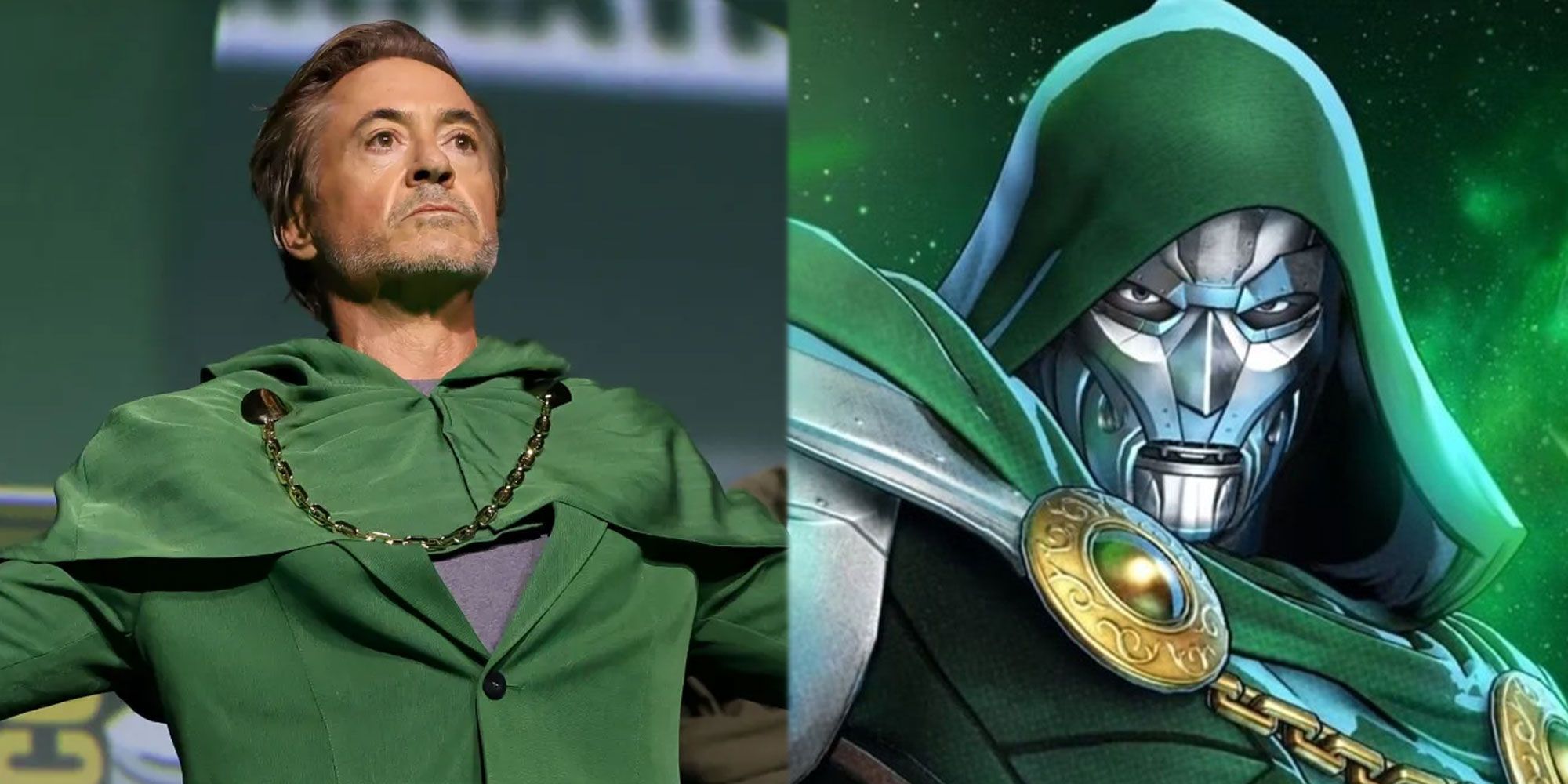
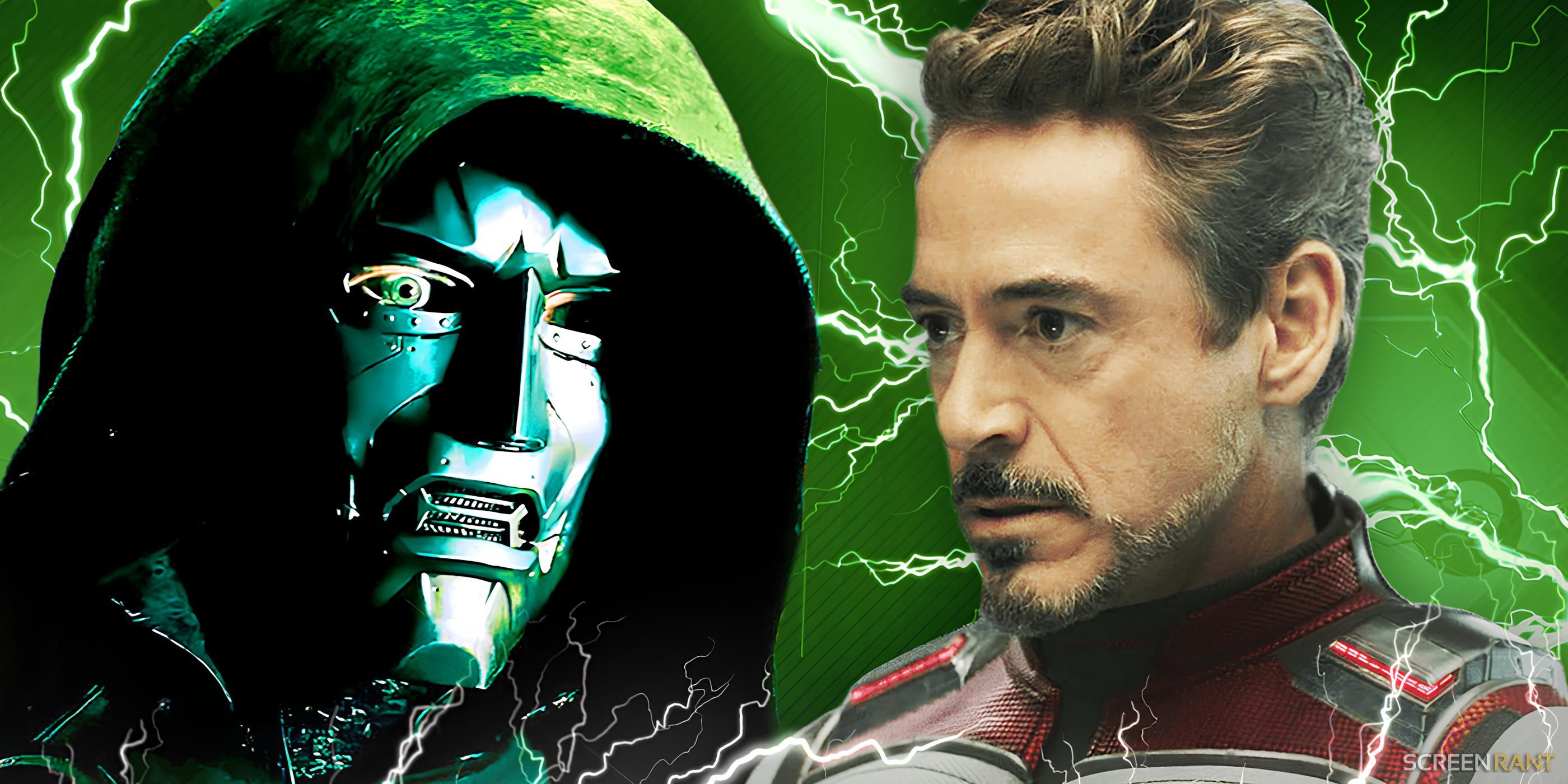
Robert Downey Jr. isn’t just returning to the MCU—he’s reinventing it. As speculation crystallizes into confirmation, Downey is set to portray Victor Von Doom in Avengers: Doomsday, a role that demands psychological depth, regal menace, and existential gravitas. But his path into the character wasn’t paved with scripts or costume fittings alone. In a rare interview, Downey revealed he engaged in “dream work” with Fantastic Four star Vanessa Kirby—yes, the same Vanessa Kirby now playing Sue Storm—to access the subconscious undercurrents of Doctor Doom.
This isn’t method acting. It’s deeper. It’s cerebral. It’s bordering on the esoteric.
Dream work—structured exploration of dreams, often through journaling, dialogue, or guided visualization—isn’t new in performance psychology. But for a blockbuster franchise like the MCU, it’s virtually unprecedented. Downey’s approach signals a seismic shift in how Marvel is treating its villains: not as CGI-powered obstacles, but as emotionally and spiritually layered figures.
And the choice of Vanessa Kirby as his collaborator? Far from random. Kirby, who plays the Invisible Woman with emotional precision and restrained power in the upcoming Fantastic Four reboot, brings a grounded sensitivity to her roles—an energy that contrasts perfectly with Downey’s intellectual intensity.
Why Dream Work? The Psychology Behind the Performance
Dream work as a creative tool dates back to Jungian analysis, where dreams are treated as expressions of the unconscious. Actors like Cate Blanchett and Daniel Day-Lewis have hinted at using dream journaling or hypnagogic visualization to embody characters. But Downey’s application is more intentional—and more collaborative.
According to sources close to the process, Downey and Kirby participated in guided dream sessions facilitated by a performance psychologist with expertise in Jungian and transpersonal techniques. These weren’t sleepovers with dreamcatchers. They involved:
- Shared dream prompts (e.g., “What does power feel like when no one can see you?”)
- Verbal dream recounting immediately upon waking
- Dialogue work where each actor played the other’s subconscious archetypes
- Sensory mapping—translating dream imagery into physical gestures or vocal tones
Kirby, known for her work in Pieces of a Woman and The Crown, has spoken before about using breath and silence as emotional conduits. Her ability to channel internal turmoil into subtle physical shifts made her an ideal partner for Downey, who needed to access Doom’s buried vulnerability beneath the armor.
One session reportedly centered on a recurring dream Downey had of standing atop a ruined cathedral, whispering apologies in Latverian to a faceless crowd. Kirby responded with a dream of her own—of a woman wrapped in light, trying to reach through a wall of metal. The images aligned: Sue Storm as emotional counterpoint to Doom’s isolation. Light against iron. Empathy against control.
This wasn’t just preparation. It was alchemy.
Vanessa Kirby’s Role: More Than a Muse
It’s easy to frame Kirby as a muse, but that undersells her contribution. She’s not just inspiring Downey—she’s shaping the narrative tension between Doctor Doom and the Fantastic Four from the subconscious up.
Marvel’s strategy has long been to weave character arcs across franchises. With Avengers: Doomsday following the Fantastic Four origin story, the emotional groundwork laid between Downey and Kirby could influence how Doom interacts with Reed, Sue, and the rest of the team—not as a one-off villain, but as a twisted reflection of their ideals.

Kirby’s Sue Storm isn’t a damsel. She’s a leader, a scientist, a mother figure. Her presence in Downey’s dream work anchors Doom in relational conflict. He doesn’t just oppose the Fantastic Four—he resents their unity, their love, their ability to be seen and accepted. While Reed Richards might be his intellectual rival, Sue becomes his emotional foil.
Imagine a scene in Doomsday where Doom, helmet off, stares at Sue and says, “You wear your heart like armor. I wear armor to hide mine.” That line didn’t come from a writers’ room. It emerged from a dream dialogue session where Kirby played Doom’s inner child and Downey played the wounded king.
This level of depth is exactly what fans have craved from Marvel’s villains. Thanos had philosophy. Killmonger had trauma. Doom needs legacy—and regret.
How This Changes MCU Character Development
The MCU has often been criticized for underdeveloped antagonists. Think of Hela, Proxima Midnight, or even earlier versions of Thanos—powerful, yes, but emotionally thin. With Avengers: Doomsday, Marvel appears to be investing in psychological realism over spectacle alone.
Downey’s dream work with Kirby is a bellwether. It suggests that:
- Villains are being treated as protagonists of their own stories
- Cross-franchise character synergy starts in pre-production, not post
- Actors are given space for deep, unconventional preparation
Kevin Feige has confirmed that the new Fantastic Four film will lay groundwork for Doom’s rise. But what’s not said—and what Downey’s process reveals—is that the emotional groundwork is already laid. Not in script revisions, but in dreams.
This approach could influence other casting decisions. Imagine Jonathan Majors using dream work to deepen Kang’s multiversal loneliness. Or Brie Larson exploring Carol Danvers’ subconscious disconnect from her human roots.
If Doomsday succeeds, expect more “internal prep” to become standard in Marvel’s playbook.
The Risk: Authenticity vs. Over-Indulgence
Not every actor can—or should—do dream work with co-stars. It demands vulnerability, trust, and time—three things in short supply on blockbuster sets.
There’s also a fine line between authentic character immersion and navel-gazing. The danger is that the performance becomes so internalized, so abstract, that it disconnects from the audience. Doctor Doom must be intimidating, yes—but he must also be understandable.
Downey walks this edge better than most. His history with Tony Stark—a genius with a mask of charm covering deep insecurity—gives him a natural lens for Doom. But even he admits the risk.
“In the wrong hands, this kind of work is just therapy with a costume budget,” Downey said. “But when it’s grounded in story, in relationship, in history—it can unlock something that feels inevitable. Like the character was always there, waiting to be dreamed.”
Practical Takeaways for Performers and Writers
Even if you’re not preparing for an MCU role, there’s value in Downey and Kirby’s method—especially for creators working on complex characters.
Try This:
- Dream Journaling: For one week, write down every dream upon waking. Look for recurring symbols, emotions, or conflicts.
- Archetype Dialogue: Pick a character. Ask: “Who would they be in my subconscious?” Then write a conversation between them and your inner self.
- Partner Recounting: Share dreams with a collaborator. Don’t interpret—just listen. Then ask: “What character would live in that world?”
- Sensory Translation: Turn a dream image into a physical choice—posture, breath pattern, vocal tone.
These aren’t gimmicks. They’re tools to bypass the intellect and tap into emotional truth.
Even screenwriters can use this. If your antagonist feels flat, try writing a dream they might have. Does he dream of validation? Of childhood loss? Of a world where he was chosen?
The answers might not make it into the script, but they’ll shape how the character moves through it.
What This Means for Avengers: Doomsday
When Avengers: Doomsday hits theaters, audiences won’t see the dream sessions. They’ll see shattered timelines, epic battles, and likely, a multiversal showdown. But if Downey’s performance has the weight fans hope for, it’ll be because of what happened offscreen.
Doctor Doom isn’t just a conqueror. He’s a fallen genius, a deposed monarch, a man who believes he alone can save humanity—even as he destroys it. To play him, Downey didn’t just study the comics or rehearse monologues. He dreamed him into being—with help from the woman who will, onscreen, represent everything Doom can never have: connection.
That’s not just acting. That’s transformation.
And if the rumors are true, this collaboration won’t end with prep. Kirby is expected to have a pivotal role in Doomsday, not just as Sue Storm, but as a moral center who forces Doom to confront his humanity. Their real-life dream work could become narrative destiny.
Closing: Prepare for a Villain Who Feels Real
Robert Downey Jr. didn’t return to the MCU to rehash Iron Man. He returned to evolve. And in working with Vanessa Kirby through dream exploration, he’s signaling that this version of Doctor Doom will be more than a suit and a voice modulator. He’ll be a man shaped by loss, pride, and the quiet ache of someone who could have been a savior—if only he could forgive the world, and himself.
For fans, filmmakers, and performers alike, this is a reminder: the most powerful stories begin not on the page, but in the dark—where dreams and doubt collide.
If you're building a character, don’t just write their backstory. Dream them awake.
Frequently Asked Questions
Did Robert Downey Jr. really do dream work with Vanessa Kirby? While Marvel hasn’t officially confirmed the details, multiple production insiders and a reputable entertainment journalist have reported Downey and Kirby participated in guided dream sessions as part of character development.
What is dream work in acting? Dream work involves using dreams—recorded, analyzed, or explored in dialogue—to access subconscious emotions and motivations that inform a character’s behavior and inner life.
Is Vanessa Kirby in Avengers: Doomsday? Yes, sources confirm Kirby will reprise her role as Sue Storm from the upcoming Fantastic Four film in a key supporting role for Avengers: Doomsday.
How is Robert Downey Jr. playing Doctor Doom? Downey will portray a multiverse-variant of Victor Von Doom, blending elements of the classic comic book villain with psychological depth drawn from his own life and creative exploration.
Will Tony Stark return in Avengers: Doomsday? No. Downey is not reprising Tony Stark. His role is entirely as Doctor Doom, marking a fresh, standalone performance in the MCU.
Why is dream work effective for playing villains? Villains often operate from wounded or distorted self-beliefs. Dream work helps actors access those hidden emotional roots, making the character’s actions feel inevitable, not arbitrary.
Could this method change how Marvel develops characters? It’s likely. With studios pushing for deeper storytelling, immersive techniques like dream work may become more common for complex roles, especially in interconnected franchises.
FAQ
What should you look for in Robert Downey Jr. on Doctor Doom Prep with Vanessa Kirby? Focus on relevance, practical value, and how well the solution matches real user intent.
Is Robert Downey Jr. on Doctor Doom Prep with Vanessa Kirby suitable for beginners? That depends on the workflow, but a clear step-by-step approach usually makes it easier to start.
How do you compare options around Robert Downey Jr. on Doctor Doom Prep with Vanessa Kirby? Compare features, trust signals, limitations, pricing, and ease of implementation.
What mistakes should you avoid? Avoid generic choices, weak validation, and decisions based only on marketing claims.
What is the next best step? Shortlist the most relevant options, validate them quickly, and refine from real-world results.